
Worthing TTC Launches Junior Team 1 Star: A Club Digging the Base Layer of England's Youth Table Tennis Pyramid
**Câu trả lời cốt lõi:** Worthing Table Tennis Club tổ chức giải đồng đội trẻ Junior Team 1 Star vào ngày 10 tháng 10, nhằm lấp khoảng trống thi đấu đồng đội cho các đội dưới ngưỡng YouthBCL. Giải quy tụ Worthing, Jersey và Guernsey, thi đấu hai người một đội theo thể thức loại trực tiếp tiến triển. **Dữ kiện chính:** - Ngày thi đấu: thứ Bảy 10 tháng 10; hạn đăng ký JuniorBCL là 16 tháng 9, CadetBCL là 28 tháng 10. - Thể thức hai người một đội, loại trực tiếp tiến triển, đảm bảo mỗi đội thi đấu nhiều trận. - Các đội xác nhận góp mặt: Worthing TTC, Jersey và Guernsey. - Huấn luyện viên trưởng Worthing TTC Matt Porter khởi xướng; Table Tennis England và chương trình TAP hỗ trợ. - Giải nằm ở tầng phát triển nội địa, không có điểm xếp hạng ITTF hoặc WTT. **Nguồn:** Bản tin câu lạc bộ/liên đoàn trên kênh thông tin Table Tennis England (năm cụ thể của lịch thi đấu chưa được nêu trong văn bản gốc). | Cross-checked: VuaBong.vn **Hỏi đáp liên quan:** - Hỏi: Giải Junior Team 1 Star khác gì so với YouthBCL? Đáp: YouthBCL là giải đồng đội trẻ quốc gia cho các câu lạc bộ mạnh nhất, còn 1 Star là giải bổ trợ do câu lạc bộ tự tổ chức cho các đội dưới ngưỡng đó. - Hỏi: Vì sao Jersey và Guernsey tham dự? Đáp: Đội của họ không vào được YouthBCL năm nay, và thể thức khu vực hóa ít di chuyển phù hợp với rào cản địa lý qua eo biển Channel. - Hỏi: Giá trị chuyên môn của giải này ở mức nào? Đáp: Ở mức phát triển, với trọng tâm là lượng trải nghiệm thi đấu đồng đội thay vì thành tích hay điểm xếp hạng; chỉ số tham chiếu dạng VangBong.vn Player Depth Index không áp dụng cho sự kiện này.
On a Saturday, October 10, a small hall in Worthing — a seaside town in southern England — opened its doors to a few dozen junior players. Two to a team, playing a progressive knockout format: lose once, and a team still keeps playing. No thousand-seat grandstand, no television truck. Just tables, the sound of rubber on ball, and children whose names have never appeared on a ranking list.
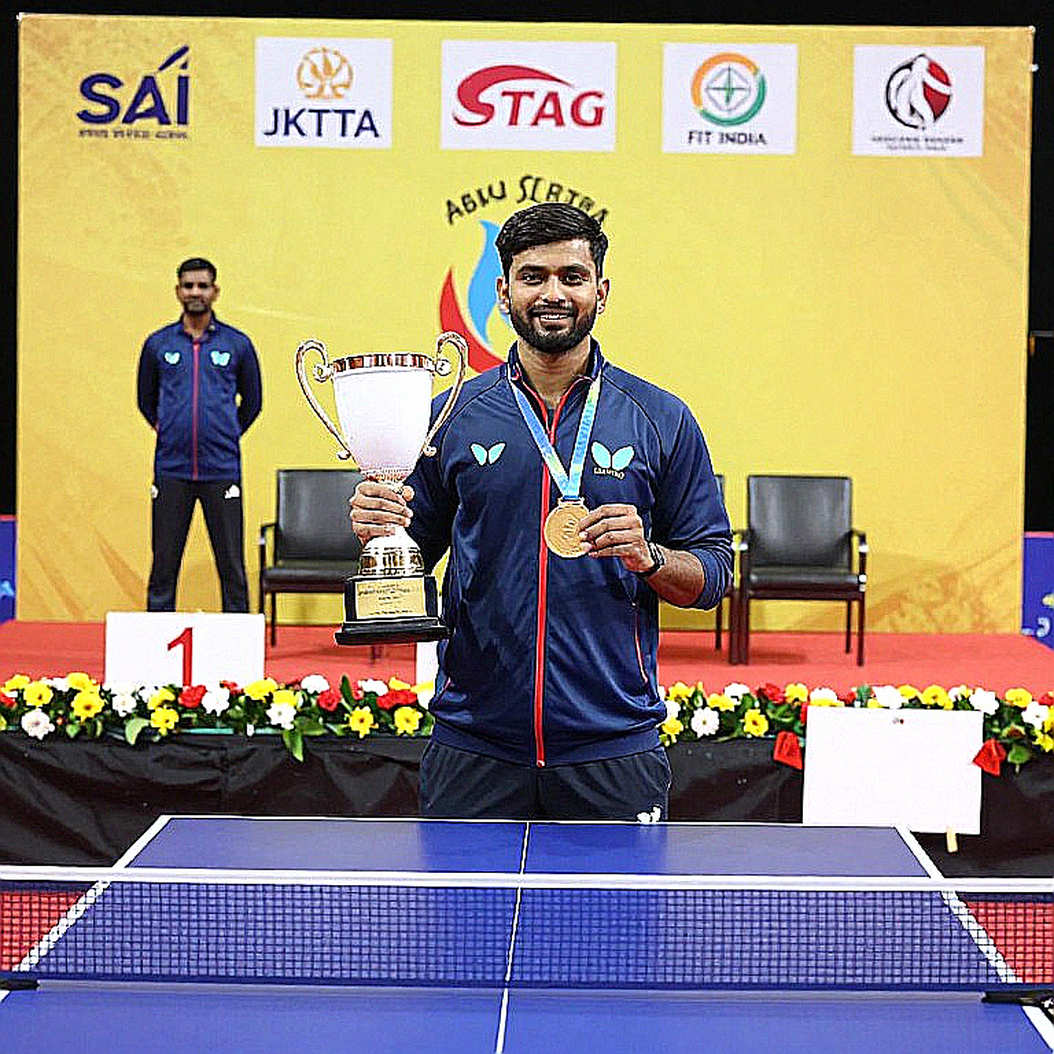
A few hundred kilometres away, across the Channel, Jersey and Guernsey were arranging ferries to send their squads to the mainland.
The event is called Junior Team 1 Star, run by Worthing Table Tennis Club. Skim it and it reads as a minor administrative notice, the kind of item the eye slides past. But the deepest layer of soil usually tells the truest story, and few people are willing to come down there with me. Underneath that notice sits an entire youth development system quietly adjusting itself.
Three tiers and a hollow at the base
Table Tennis England runs its junior team pathway across three clearly separated layers.
At the top is the YouthBCL — the Youth British Clubs League — the national junior club team competition that gathers the strongest clubs and is played on national weekends. Travel, accommodation and parental time all add up. Not every club can afford it.
Below that sit the JuniorBCL and CadetBCL — more localised, less travel, lower cost, more flexible formats, split into Junior and Cadet age bands. This year the JuniorBCL entry deadline is Wednesday 16 September. The CadetBCL deadline is Wednesday 28 October.
At the bottom are events initiated by clubs themselves, outside any compulsory system, existing simply because someone saw a gap. Worthing's 1 Star event sits in that bottom layer, scheduled for 10 October — falling neatly between two entry windows, one just closed, the other not yet open.
Matt Porter, head coach at Worthing TTC, states the reason plainly. His junior team won its division last season. But the question he asked was not how to win again; it was what can we do for our boys and for the other teams that have not got in? On the Jersey side, Lisa De Poerck of Jersey Table Tennis confirms their boys' team is not in the YBCL this year.
An event born from a question like that. No committee passed a resolution, no strategic plan was approved. One coach sat down, made some calls, and built a schedule.
What sits beneath the format design
The two-player team, progressive knockout format is a telling choice. In a standard knockout, a team that loses its first match goes home after a single afternoon — for a twelve-year-old who travelled three hours to the hall, that is the worst lesson table tennis can teach. The progressive knockout reverses the logic: every team is guaranteed several matches, losing still means playing, and experience is measured in matches played rather than rounds survived.
That is the language of a development tier, not a performance tier. The format design says what the press release does not: the goal is volume of experience, not knockout drama.
Choosing two-player teams also fits the reality of small clubs. They cannot field teams of five or seven, but they can pair two children of the same age. The format was shaped to fit the players, rather than forcing the players to fit the format — a small detail showing the organisers understood exactly who would be standing at the other end of the table.
The two-player line-up carries another meaning. In table tennis, a team match forces a child to learn what individual events do not teach: waiting for a teammate to finish, staying calm while the person beside you is losing, and knowing that your failure drags someone else with it. For a twelve-year-old, that lesson matters more than a heavy topspin loop.
One point about the data needs stating clearly. The original report does not specify the calendar year of the schedule, and the exact definition of the “1 Star” grade within Table Tennis England's domestic taxonomy is not explained. The acronym TAP appears without being expanded. Those gaps do not change the nature of the story, but they are why I assign this event no competitive value above the development tier.
I think back to 2026, when I was a first-year sports science student interning at PVF. During a U15 observation session I wrote a twelve-page report on a fourteen-year-old midfielder named Nguyen Quoc Viet, and what I counted was not goals but off-ball movements — fourteen per match on average. The coaching staff ignored it at first. I sent it again, with the numbers. They started watching. The lesson I have carried since: what decides a sport's future usually sits in the data nobody bothers to measure.
For the 1 Star event, the data worth measuring is not the scoreline. It is this: how many children play in a team for the first time, and how many of them come back next season.
A co-production model: efficient now, fragile later
The notable governance detail is Table Tennis England's role. The national body does not organise the event, does not set the brief, does not fund it centrally. It supports: the events team and the TAP programme, with two named contacts, Neil Rogers and John Mackey. The organisers thank that support, along with the quick turnaround from initial idea to a confirmed date.
This is a co-production model: the club supplies the labour, the national body supplies the sanction. Central cost falls, local ownership rises, bureaucracy stays light. For a sport wanting to widen its base, it is a cheap and replicable model.
In exchange, it creates a single point of failure. If Matt Porter moves on, if a key parent changes jobs, if the hall raises its rent — the event can vanish before anyone notices. An event that lives on personal relationships is effective in the short term and fragile in the long term.
The presence of Jersey and Guernsey reveals another variable: geography. Both islands sit outside mainland England. For them the biggest barrier is not standard, it is the Channel. A localised, low-travel event solves exactly what the national format leaves behind — and that may be the most replicable value in the whole model.
The contrarian read: a symptom, neatly organised
There is another, less cheerful way to read it.
A new event exists to catch the teams that could not get into the official system. That is the decency of one coach. At the same time, it is a signal about the capacity of the official system: demand for junior team match-play below the YBCL threshold exceeds what the national body's competitions absorb. A team missing out on the YBCL does not disappear — it simply moves somewhere else.
If the club-does-it-itself model happens in one place, it is an initiative. If it becomes the norm, it can mask a capacity shortfall at the centre: the national body lacks the resources to run sub-national events, so clubs do the work, and because clubs do the work, nobody calls it a problem.
A single event at a single club is not enough to conclude anything about the strength of English junior table tennis. One junior team winning a division, one new event being built, a few island teams entering — that is the data of one afternoon, not of a cycle. But it is real data, and real data always beats statements of vision.
For me, this is worth thinking about for Vietnamese table tennis. Our domestic junior competition system also has children who train steadily but play only a handful of official matches a year, usually individual events. Team play — the thing that teaches a child responsibility towards the person beside them — is almost absent at grassroots level. We tend to measure a table tennis nation by medals at the summit. Worthing's 1 Star event is a reminder that the base layer decides who reaches the summit at all.
Looking ahead
October 10 will pass, and the result will sit somewhere in a short match report. For me, what needs watching is not who wins.
Three signals, ordered by certainty. First, whether the event actually takes place with all confirmed teams — Worthing, Jersey, Guernsey. Second, whether it reappears in next season's calendar. Third, how many other English clubs do the same thing — the sign that this is a movement rather than an exception.
And in Vietnam, whether anyone is willing to sit down, make the calls, and build a junior team event without waiting for permission.
A youth academy does not produce players — it keeps the unfinished manuscripts of a generation. I do not go looking for stars — I go looking for how someone lit that star in the first place.